Hospitals and universities repurposing drugs at 90% lower cost
摘要
这篇研究报道(来自 King’s College London,发表于 Cambridge Law Journal)讨论了一种发生在制药公司之外的 “平行药物创新体系”。医院和大学通过对已获批、已成仿制药的药物进行再利用研究(drug repurposing),开展晚期临床试验,其资助成本可低至制药公司成本的 10% 以下,约低 90%。 文章指出,这种模式之所以成本更低,一方面是因为使用的药物已被充分研究且已上市,临床试验资源需求更少;另一方面科研风险更低,因为研究机构不依赖药品销售回报。此外,医生与科研人员的动机更多来自临床效果改善与学术发表,而非专利体系下的商业回报。 文中举例包括:将某癌症药物用于治疗一种主要致盲疾病、将乳腺癌药物用于预防该癌症,以及将旧抗炎药用于治疗 Covid。研究认为,当药物进入仿制药阶段后,企业减少再开发动力,但医院和大学会在此阶段继续推动新用途研究,从而形成一个 “隐形” 的创新系统,并有潜力以更低成本提供治疗方案。政府层面也开始考虑将这类研究纳入正式支持体系以提升患者可及性。
荐读理由
通过大学医院药物再利用的晚期临床试验系统,能直接用上低成本复制临床研究方法,节省80%资源实现同类创新项目
原文
Hospitals and universities repurposing drugs at 90% lower cost
Universities and hospitals are repurposing existing drugs through late-stage trials with funded costs up to 90% lower than those taking place in the pharmaceutical industry.
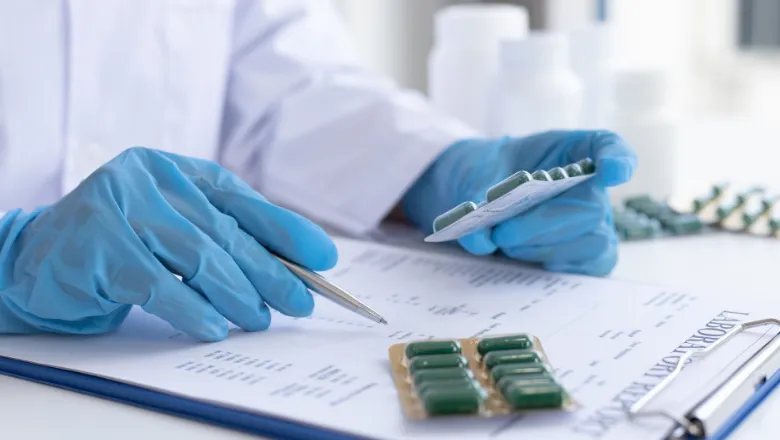
This “hidden” research system, which operates outside of the patent system, has huge potential to regularly provide society with affordable treatments.
Examples of this have included using a cancer drug to treat a leading cause of blindness, changing a drug from treating breast cancer to preventing it, and using an old anti-inflammatory drug to treat Covid.
The new research led by King’s College London and published in the Cambridge Law Journal explores the parallel drug innovation system taking place outside of pharmaceutical companies.
The research shows that hospitals and universities are conducting substantial numbers of late-stage clinical trials funded at less than 10% of pharmaceutical companies’ reported costs.
This is in part because universities and hospitals are able to carry out these trials with fewer resources than industry.
In drug research and development there are three main barriers to innovation: expertise, risk and capital. These barriers are high for organisations that develop new drugs. However, the barriers are lower when repurposing generic drugs.
The expertise required when repurposing drugs is lower because the drug is well studied and already manufactured, investigators select projects based on their expertise, and the trials are approved by grant and ethics bodies. Risk is lower because no organisation’s financial viability depends on the authorisation and sales of the drug.
The research also explores how clinicians and scientists have different motivations for repurposing generic drugs compared to the incentives that the patent system offers. These include helping patients recover more quickly and publishing studies to progress their careers.
This alternative research system offers enormous potential to help patients at a fraction of the cost, and governments around the world are starting programmes to formally recognise the research in the system. The drugs are already cheap because they are generic and the programmes will ensure patients have access."
Dr Johnathon Liddicoat, Reader in Law at King’s College London
The process of finding new uses for already authorised drugs is commonly known as “repurposing”. Early in a drug’s lifecycle, companies are interested in repurposing, and recent data indicates that, on average, they obtain regulatory authorisations for 32 new uses annually.
These approvals permit the drugs to be marketed for those new uses in addition to the original use. However, once generic drugs enter the market, companies lose interest in repurposing due to competition. Yet, it is also at this moment that the new system flourishes, with hospitals and universities using cheap, generic versions of the drugs in their research.
In this story

Dr John Liddicoat
Reader in Law
Related departments
这条对你有帮助吗?