Apple sues OpenAI, accuses ex-employees of stealing trade secrets
摘要
苹果今日对 OpenAI 提起诉讼,称前员工 Chang Liu 和 Tang Tan 为 OpenAI 利益窃取商业机密,OpenAI 和 io Products 也被列为被告。Tang Tan 曾任苹果 iPhone 和 Apple Watch 产品设计 VP,2024 年 2 月离职;Chang Liu 在苹果工作八年,任资深系统电气工程师,2026 年 1 月加入 OpenAI。指控包括 Tan 在面试中用苹果内部项目代号提问、要求候选人带 “实际部件” 进行展示,Liu 利用安全漏洞下载千页技术文件并指导他人;OpenAI 指示带 CAD 设计、原型和供应商信息。苹果 2 月曾直接联系 OpenAI 但未获回应,诉讼寻求禁令救济和损害赔偿,提到 OpenAI 现有超过 400 名前苹果员工。该案与 ChatGPT 集成 Siri 的合作无关。
荐读理由
苹果起诉细节显示OpenAI硬件团队通过前员工在面试中索要苹果零件、项目代号和供应商信息,以及下载千页工程文件,给你提供了AI硬件创业中人才流动与IP盗窃的具体市场案例
原文
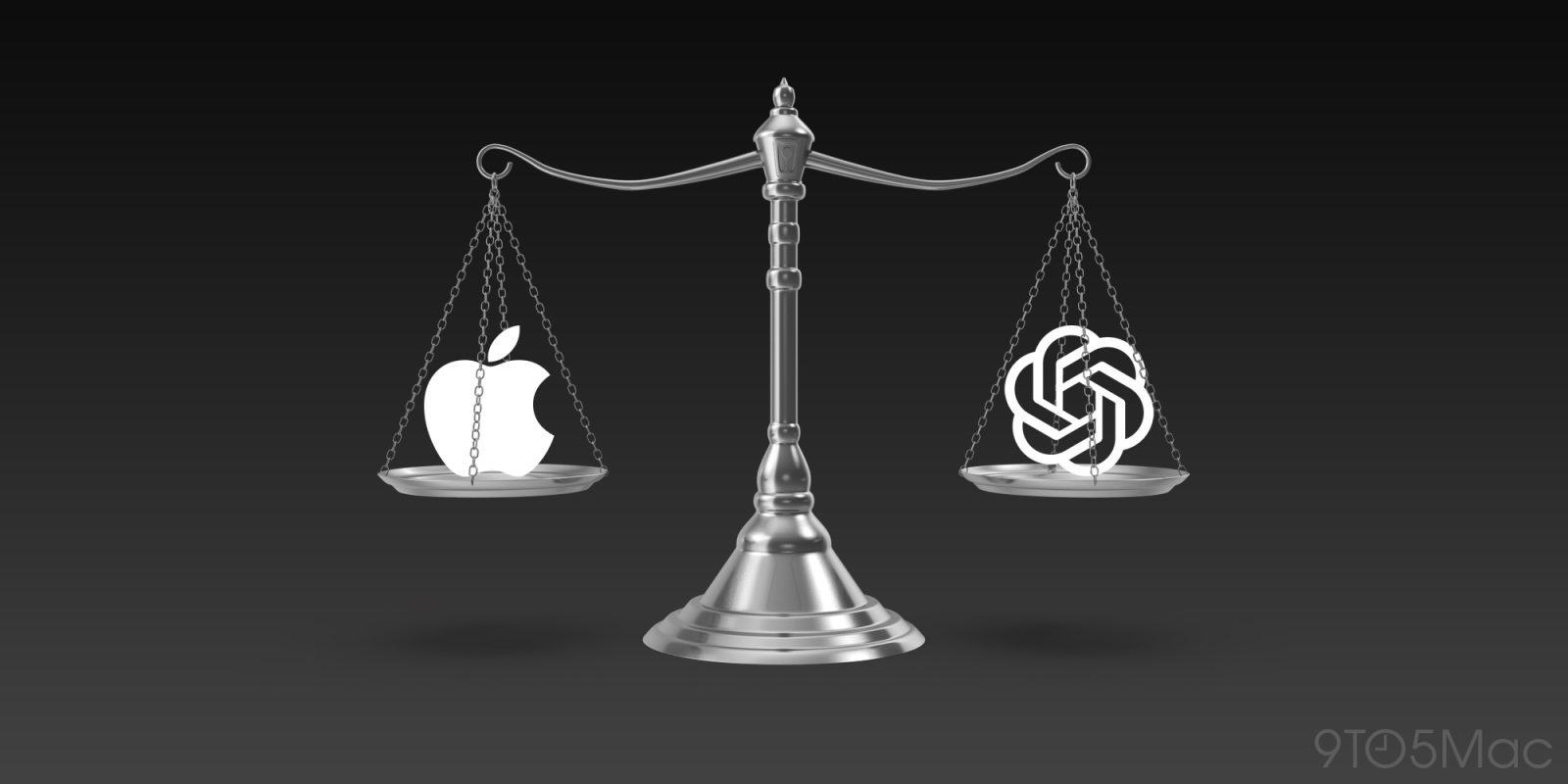
Apple has filed a lawsuit against OpenAI today, accusing the company of trade secret theft. Specifically, Apple alleges that its former employees have stolen trade secrets “for the benefit of OpenAI.”
“This case is about Apple’s former employees stealing Apple’s trade secrets for the benefit of OpenAI. Apple brings this suit to put a stop to it,” the lawsuit says.
Apple statement
In a statement to 9to5Mac, an Apple spokesperson said:
“At Apple, our teams are constantly developing breakthrough technologies to create the best products and services in the world, and protecting their work and intellectual property is something we take very seriously. Recently, significant evidence has emerged suggesting individuals employed by OpenAI wrongfully took Apple’s secret and confidential information regarding our unreleased technologies, processes, and products. We will always defend our teams’ hard work and innovations, and we are taking all appropriate steps to do so.”
Update: Read OpenAI’s response here.
Apple accuses OpenAI of trade secret theft
The lawsuit names Chang Liu and Tang Tan as two of the defendants. Tang Tan served as VP of product design at Apple, leading iPhone and Apple Watch product design. He departed the company in February 2024 to work with Jony Ive. Chang Liu, meanwhile, worked at Apple for eight years and was a senior system electrical engineer before departing to join OpenAI in January 2026.
Apple’s lawsuit also names OpenAI and io Products as defendants.
OpenAI’s hardware efforts are being led by Jony Ive, Apple’s former chief design officer. OpenAI acquired Ive’s startup io as part of a $6.5 billion deal last year. OpenAI’s takeover of the company included more than 50 engineers, developers, and other employees. In its original announcement, OpenAI touted that Ive founded io in collaboration with Scott Cannon, Evans Hankey, and Tan.
Hankey led Apple’s design team for several years after Ive departed the company. She departed in 2022 before reuniting with Ive as part of io. Cannon also previously worked at Apple.
Ive, Hankey, and Cannon are not personally mentioned anywhere in Apple’s initial filing today.
The complaint
Apple says it first raised concerns with OpenAI directly in February, asking the company to investigate and address the issue. OpenAI, however, never responded. Apple says the conduct detailed in the filing is “the tip of the iceberg.”
This is the tip of the iceberg. Apple lacks visibility into what’s been happening behind closed doors at OpenAI, where such misconduct is normalized and exemplified by leadership. This much is clear, however: at every level, from members of its Technical Staff to its Chief Hardware Officer, and in coordination with business partners, OpenAI has been stealing Apple’s trade secrets and confidential information. As a natural result, OpenAI’s nascent hardware business now rests.
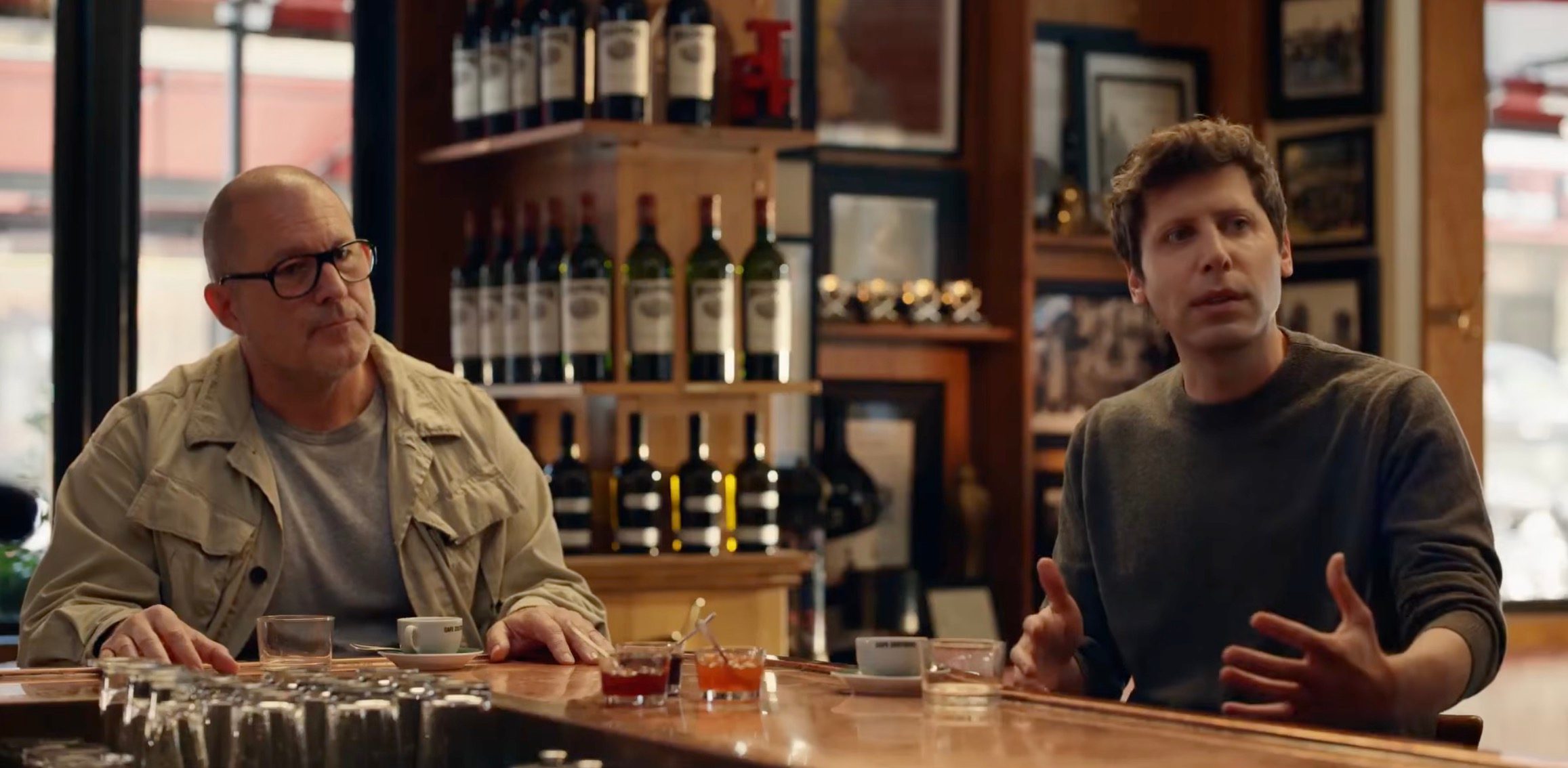
The complaint, filed in the U.S. District Court for the Northern District of California, alleges that Tan used insider knowledge of Apple’s confidential projects to grill job candidates in interviews and learn more confidential information. Additionally, Tan directed job candidates still working at Apple to bring actual Apple hardware components and samples for “show and tell” sessions.
When interviewing Apple employees for jobs at OpenAI, Mr. Tan uses Apple’s confidential information to gain access to even more insider knowledge. He has used an Apple internal project codename to ask, “What’s the plan[?]” for an unannounced Apple product.
He has directed job candidates still working for Apple to bring “Actual parts” from Apple to their interviews for “show and tell” sessions in which he and his team at OpenAI can elicit still more Apple confidential information. These directions to bring Apple’s parts to OpenAI job interviews surprised at least one of the candidates, who commented that he “didn’t even know we could take those from the office.”
OpenAI has been instructing Apple employees to bring “CAD/design artifacts” and “prototypes” to their interviews and to divulge details about their work such as “subsystem and component selection,” the “tools or methodologies you use for system integration, such as CAD software, simulation tools,” and “Vendor selection and communication/collaboration with vendors.”
Furthermore, Apple says a candidate began “screenshotting and downloading files relating to a highly confidential Apple project” hours before interviewing with Tan, who then “solicited more information about that same Apple project” once the interview started. This became an “established pattern,” Apple says.
Tan also allegedly possessed and distributed an internal Apple “Need to Know” document to new OpenAI hires before they gave their notice to Apple. The document included Apple’s departure security protocols. As part of its investigation, Apple found a “pattern by employees who depart for OpenAI of taking steps to evade the security processes intended to protect Apple’s confidential information.”
Meanwhile, Apple also claims former engineer Liu exploited a security bug to download confidential engineering files after leaving the company.
Apple alleges that Liu downloaded a “compilation of technical files with over a thousand pages” with details of work he did at Apple. This included detailed manufacturing documents covering the complex circuit boards used in Apple hardware products.
Liu also allegedly coached another Apple employee at the time, whom he was recruiting to OpenAI, on which confidential materials to study before her own OpenAI interview.
Finally, Apple alleges that OpenAI had a trusted Apple partner carry out Apple’s proprietary metal-finishing technique, misleading the partner into believing it had Apple’s permission to do so. Apple also says OpenAI approached a second longtime Apple supplier that works on power and battery manufacturing, using insider terminology to ask “targeted questions” about specific Apple components.
The suit seeks injunctive relief and damages, and comes as OpenAI works to bring its first consumer hardware device to market.
Apple’s lawsuit also comes after Bloomberg reported that OpenAI was preparing “legal action” against Apple over how its partnership to integrate ChatGPT into Siri played out. Today’s lawsuit from Apple, however, says that agreement is not at issue here.
Tan and Liu are just two of many Apple employees who have departed for OpenAI. Today’s filing says that there are over 400 former Apple employees now working at OpenAI.
There have been various rumors about OpenAI’s hardware efforts so far. In April, Ming-Chi Kuo reported that OpenAI is developing its own smartphone, which could launch in 2028. The Information has also reported on OpenAI’s work on a HomePod-style smart speaker.
You can read the full filing below and find the PDF linked here.
Apple Inc. v. Liu et alDownload
**Chance’s favorites: **
Follow Chance: Threads, Bluesky, Instagram, and Mastodon.


FTC: We use income earning auto affiliate links. More.
You’re reading 9to5Mac — experts who break news about Apple and its surrounding ecosystem, day after day. Be sure to check out our homepage for all the latest news, and follow 9to5Mac on Twitter, Facebook, and LinkedIn to stay in the loop. Don’t know where to start? Check out our exclusive stories, reviews, how-tos, and subscribe to our YouTube channel
这条对你有帮助吗?