Court Records Should Be Free
摘要
文章指出联邦法院电子记录系统 PACER 对公众收取较高费用,形成获取法院文件与司法信息的门槛,尤其对低收入人群不友好。EFF 与多家组织支持《Open Courts Act 2026》,希望用统一现代化系统替代 PACER 和 CM / ECF,在降低长期成本的同时提升安全性与可用性,并彻底取消访问费用。该法案还强调提升法院记录的可检索性与可理解性。文章回顾 EFF 长期以来反对司法记录收费与访问限制的立场,并强调公共司法记录属于民主透明的一部分。
荐读理由
内容仅为EFF支持《Open Courts Act of 2026》的呼吁信,无任何针对AI工程、创业决策的真实技术变化、信号复盘或可直接迁移的方法工具;且属于产品发布稿性质,命中反价值2。
原文
Court Records Should Be Free
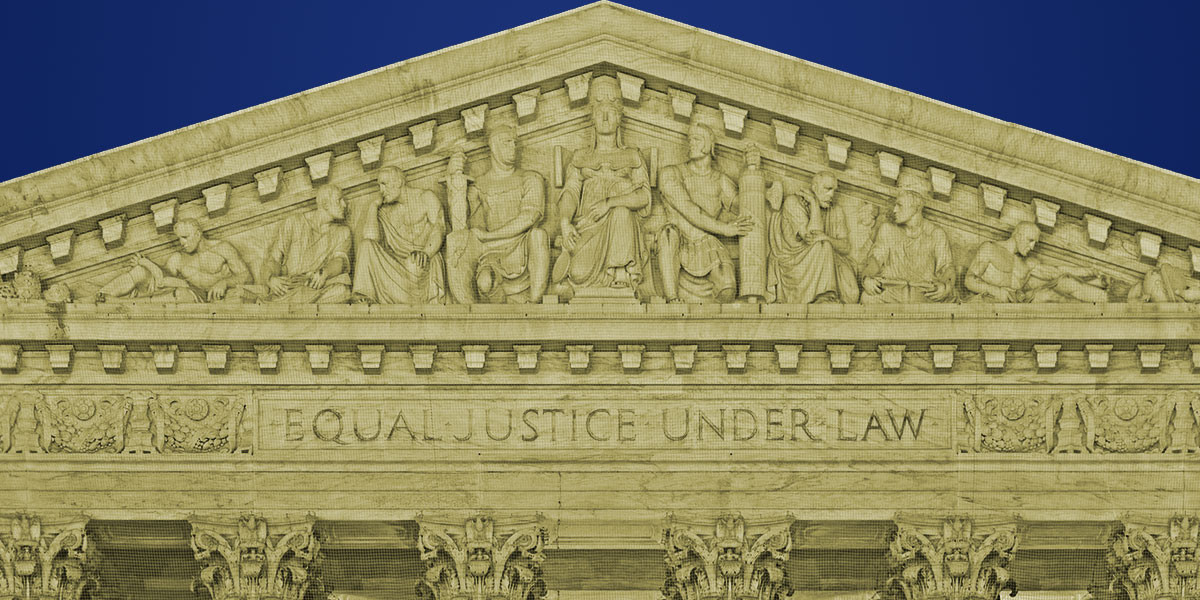
Court records belong to the public. Yet anyone seeking access to federal court filings through PACER, a government software system that stands for Public Access to Court Electronic Records, is usually required to pay hefty fees to search for and view documents. PACER’s fees have long acted as a barrier that makes it hard, especially for low income people, to see and understand the work produced by our own public servants.
That's why EFF joined a broad group of organizations supporting the Open Courts Act of 2026, legislation that would modernize the federal courts' electronic filing systems and eliminate PACER fees.
The bill would replace the aging PACER and CM/ECF systems with a modern, unified platform designed to improve public access, strengthen cybersecurity, and reduce long-term costs. Supporters note that PACER currently collects more than $150 million annually in fees from the public, despite court records being public documents.
The Open Courts Act would also make court records easier to find, access, and understand. The legislation builds on a similar proposal, also supported by EFF, that previously won bipartisan support in the Senate Judiciary Committee but did not become law before the end of the congressional session.
This is not a new issue for EFF. More than a decade ago, we criticized PACER's paywalls and the removal of some court records from online access, arguing that the public should not have to pay to read the law and the judicial decisions that shape it. The Open Courts Act would move U.S. courts a big step closer to that goal.
In addition to EFF, the bill is supported by Fix the Court, the group pushing this bill forward; the Free Law Project, which maintains RECAP, software that has created a large archive of legal opinions and other court records; as well as civil society groups, open government watchdogs, and media groups.
Public access to the courts is a cornerstone of democratic accountability. Let’s eliminate unnecessary barriers to court records, and bring the federal judiciary’s tech into the modern era.
- Read the full letter supporting the Open Courts Act of 2026
Related Issues
Related Updates

The Free and Open Web Is Under Attack at the IETF
The ability to access publicly available information using automated tools is a central value and benefit of a free and open internet. Automated access—often called crawling or scraping—powers important, useful tools for locating, preserving, and analyzing online information. For example, crawling and scraping helps journalists, researchers, and watchdog organizations...
Science Must Decentralize
Knowledge production doesn’t happen in a vacuum. Every great scientific breakthrough is built on prior work, and an ongoing exchange with peers in the field. That’s why we need to address the threat of major publishers and platforms having an improper influence on how scientific knowledge is accessed—or outright suppressed...
Civil Disobedience of Copyright Keeps Science Going
Creating and sharing knowledge are defining traits of humankind, yet copyright law has grown so restrictive that it can require acts of civil disobedience to ensure that students and scholars have the books they need. Unless publishing gatekeepers adopt drastically more equitable practices and become partners in disseminating knowledge, they...
EFF Urges Third Circuit to Join the Legal Chorus: No One Owns the Law
Two appeals courts have recently rejected efforts by private parties to use copyright to restrict access to the laws that most directly affect ordinary citizens: regulations that ensure our homes, workplaces, devices, and many other products, are safe and fit for purpose. Apparently hoping the third time will be the...
DDoSed by Policy: Website Takedowns and Keeping Information Alive
Who needs a DDoS (Denial of Service) attack when you have a new president? As of February 2nd, thousands of web pages and datasets have been removed from U.S. government agencies following a series of executive orders. The impacts span the Department of Veteran Affairs and the ...

Celebrating the Life of Aaron Swartz: Aaron Swartz Day 2024
Aaron Swartz was a digital rights champion who believed deeply in keeping the internet open. His life was cut short in 2013, after federal prosecutors charged him under the Computer Fraud and Abuse Act (CFAA) for systematically downloading academic journal articles from the online database JSTOR. Facing the...
EFF Tells Yet Another Court to Ensure Everyone Has Access to the Law and Reject Private Gatekeepers
Our laws belong to all of us, and we should be able to find, read, and comment on them free of registration requirements, fees, and other roadblocks. That means private organizations shouldn’t be able to control who can read and share the law, or where and how we can do...
EFF Appeals Order Denying Public Access to Patent Filings
Secrecy in patent litigation is an enduring problem, and EFF has repeatedly intervened in lawsuits involving patent claims to uphold the public’s right to access court records. And in this case, the secrecy issues are heightened by the parties and the court believing that they can jointly agree to keep...
Congress: Don't Let Anyone Own The Law
We should all have the freedom to read, share, and comment on the laws we must live by. But yesterday, the House Judiciary Committee voted 19-4 to move forward the PRO Codes Act (H.R. 1631), a bill that would limit those rights in a critical area. Now that this bill...
Internet Archive Files Appeal Brief Defending Libraries and Digital Lending From Big Publishers’ Legal Attack
SAN FRANCISCO—A cartel of major publishing companies must not be allowed to criminalize fair-use library lending, the Internet Archive argued in an appellate brief filed today. The Internet Archive is a San Francisco-based 501(c)(3) non-profit library which preserves and provides access to cultural artifacts of all kinds in electronic form....
这条对你有帮助吗?