Online ad giant Adform was hacked, proving once again why ad blockers are needed
摘要
广告巨头 Adform 于 7 月 27 日被黑,其用于加载广告的代码被恶意篡改,导致下游网站访问者浏览器中的加密货币钱包地址被替换为黑客控制的地址,且每三秒替换一次,几乎确保受害者转账时误用黑客地址。安全研究员 Kevin Beaumont 首先披露,Adform 已承认但未说明入侵方式及影响人数,并可能获取了用户访问网站信息。作者借此强调广告拦截器能阻断此类恶意代码,并分享自己因使用 uBlock 等工具而无法访问 Adform 域名的经历。
荐读理由
该事件揭示第三方广告脚本可能成为供应链攻击入口,独立开发者在集成广告或外部脚本时应评估信任边界,并考虑内容安全策略或广告拦截工具作为防护,但正文未提供具体技术方案,需自行延伸研究。
原文
04 Aug 2026 3 min read Articles
Online advertising giant Adform was hacked, proving once again why ad blockers are necessary
The hacked digital advertiser was caught serving malicious ads that allowed hackers to steal a victim's cryptocurrency.
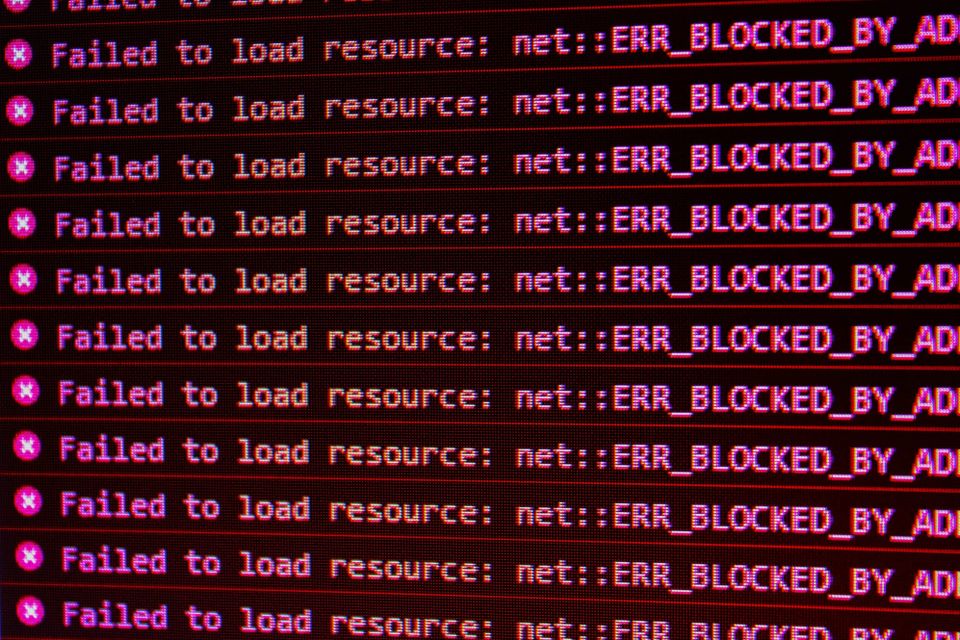
Photo by David Pupăză / Unsplash.
Online ads provider Adform was hacked. On July 27, the company began serving ads containing malicious code. The company says in its latest annual report that its serves 1.5 billion ads to people's devices daily.
According to security researcher Kevin Beaumont, who first revealed the incident, some of the code that Adform used to load its ads on its customers' websites was maliciously altered. The code was designed to trigger when it loaded in a victim's web browser.
The malicious code replaced a victim's crypto wallet address in their computer's clipboard with crypto wallet addresses controlled by the hacker. The code replaces the crypto addresses in the clipboard every three seconds, all but guaranteeing that the victim will inadvertently paste in the attacker's crypto wallet address and send their crypto to the hacker instead of its intended destination.
Per Beaumont's blog:
"This allows end user devices of downstream websites to be compromised with crypto stealing malware. Meaning if you visit
example.comand they use Adform,example.comwill compromise your device."
If you've ever needed another reason to use an ad-blocker, this is it. By blocking ads, you can prevent pervasive tracking, surveillance, and yes, even malware, from landing on your computer.
PLEASE SUPPORT THIS NEWSLETTER!
this week in security is my weekly cybersecurity newsletter and blog supported by readers like you. Please consider signing up for a paid subscription starting at $10/month for access to exclusive articles, analysis, and more.
Or, you can submit a one-time tip or gift a paid subscription to show your support!
****Recent blogs include: ****When AI chatbots and LLMs get legal, check your privilege | Most fitness wearables lack end-to-end encryption and don't disclose government data demands | U.S. judge denied feds a month-long warrant to snoop on the phones of thousands of Ohio residents | Why ad blockers are a top security and privacy defense for everyone | A beginner's guide to analyzing the network traffic of apps and websites
Adform has now disclosed the breach, but the company didn't say how it was initially compromised or how many people may have been affected. When I reached out to the company with questions about the incident, a spokesperson referred me instead to its public statement.
Per its statement, Adform said it was still investigating if the hackers also took information about which websites a person visited; Adform said the code suggests this was possible.
I went to check out Adform's statement but couldn't at first, in large part because my ad blocker (uBlock Origin on desktop; Filtr/Wipr on iPhone) prevented Adform's entire domain from loading. Even had I visited a website that contained the malicious Adform code, this shows my ad blocker would have prevented the code from loading.
Practice safe browsing, use an ad-blocker.
~ ~
*Thank you so much for reading this week in security! I hope you enjoyed and found this article helpful. If you like it, please share a link on your social media! Please email me with any feedback, questions, or comments about this article: this@weekinsecurity.com. *
Reading this online? Get this week in security by email
a weekly cybersecurity newsletter by Zack Whittaker, plus analysis and blogs. All the news you need to know. No slop.
No spam. Unsubscribe anytime. This newsletter does not use email open or link trackers.
这条对你有帮助吗?